Solar energy projects have several stages before they begin to produce electricity. These phases involve site evaluation, design, planning approval, construction and operational monitoring. The planning of each stage must be carefully considered along with the appropriate technical skills to prevent delays and cost overruns.
This blog will discuss how to plan and develop a solar project from the ground up, from initial site selection through to commissioning, and how to help prevent repeated delays from affecting the project. Following the steps below apply to all projects regardless of size or location, from a small rooftop project for a local business to a utility-scale installation feeding into a regional grid.
What Is Solar Project Development?
The process of transforming a solar concept into a functioning power plant involves solar project development services that connect the system to the grid or local load. From identification on the land to the day the plant starts generating electricity.
The main stages include:
- Identify the site and conduct a feasibility study
- Permits, licenses and regulatory approvals
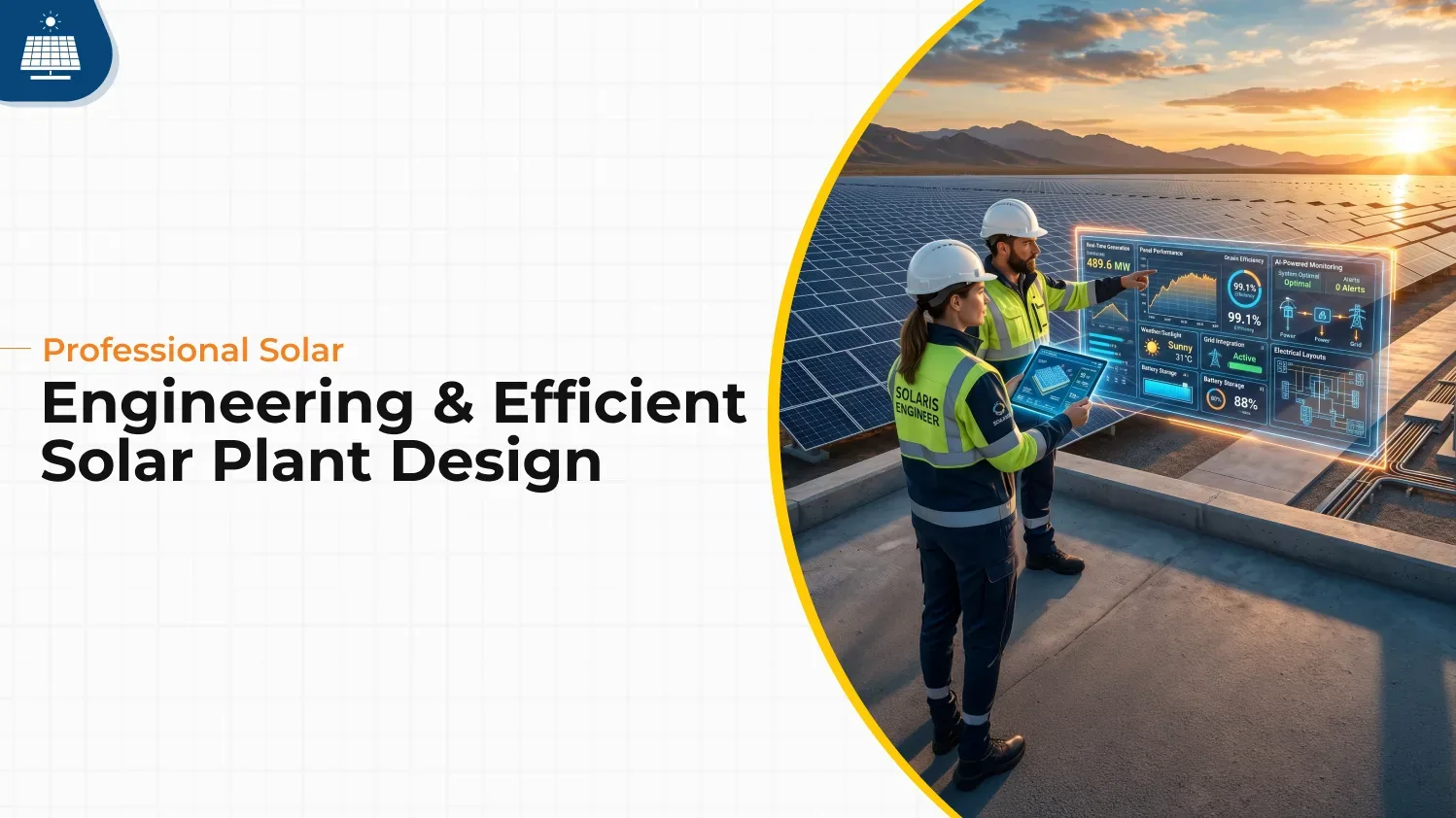
- Engineering & system design
- Purchasing and logistics of equipment
- Construction and installation
- Testing, commissioning and grid connection
- Operations and maintenance
All stages are dependent on the previous stage. Errors in the planning process can have a long-term impact, for example, selecting a location that does not have a sufficient solar resource or grid connection.
The IEA’s Global Energy Review 2026 projects that solar PV additions in 2025 will increase by approximately 12% to hit 600 GW for the first time, reaching a total of around 2,800 GW. Nearly 60% of additional renewable capacity was added annually in India in the same year, with the commissioning of nearly 50 GW of solar PV. For large-scale plants and smaller commercial plants, it is more important than ever to get the initial stages right.
Top 10 Strategies for Efficient Solar Project Execution
These strategies are in place throughout the life of a project, from first site visit through the years of operation after commissioning.
1. Start With Accurate Solar Project Planning and Development
Good planning starts with a complete year of site data and not a few weeks’ readings. This encompasses the shading patterns, soil conditions, and access points to the grid, as well as the solar irradiation. The decisions made here will impact output for the life of the plant, and making any hasty decision for a few weeks will come at a high price further down the line.
2. Bring in Solar Project Development Services Early
Many people or businesses own the land and have the capital but lack the technical expertise for permits, design, and vendor relations. Acknowledging solar project development services early in the process, as opposed to once issues arise, can help prevent rework, delays and scope conflicts with contractors.
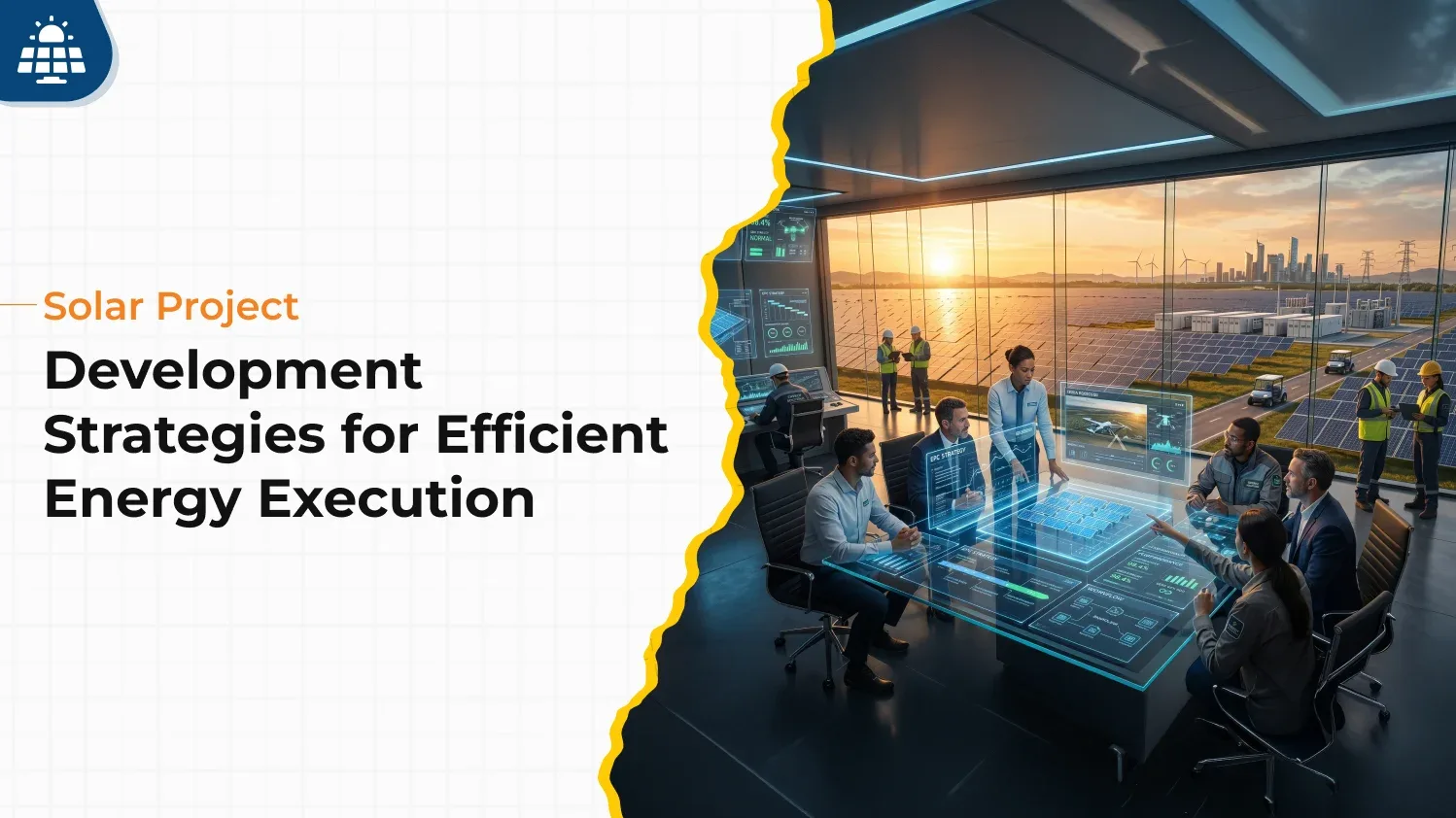
3. Use a Single-Contract Solar EPC Project Development Model
EPC: Engineering, Procurement and Construction. A solar EPC project development model involves design, equipment procurement, and construction being all lumped together under one roof and one team, providing one go-to for price, quality, and timeline, instead of having to rely on various vendors for each of these components.
4. Work With an Experienced Solar Infrastructure Development Company
A solar infrastructure development company that is active in all phases of the project, from the beginning to the end. This encompasses support in land acquisition, grid interconnection studies, financial structuring and long-term asset management, all of which are crucial for solar parks, multi-site portfolios and projects that require coordination with local authorities and utilities.
5. Set Up Solar Project Management Services Before Construction Starts
Solar project management services maintain project activities within schedule and budget constraints. Installing this early in construction, instead of halfway through the process, can help coordinate civil, electrical and mechanical teams from the beginning and minimise the risk of conflicting schedules.
6. Plan for Solar Energy Project Management After Commissioning
The work for solar project management doesn’t end after the installation of the solar plant is done to connect it to the grid. Planning for remote monitoring, scheduled cleaning, inverter monitoring and reporting during design, as opposed to retrofitting later, is what is required to support long-term revenue and generation protection.
7. Match Design Decisions to Real Solar Power Plant Development Needs
The generic process of moving a plant into a grid connection is similar for rooftops, ground-mount, and floating installations, but different steps are undertaken for each of these types of projects. The correct panel type, mounting, and inverter selection reduce the risk of expensive redesigns during construction.
8. Build Buffer Time Into Permits and Approvals
The time taken to approve varies from one region to another, ranging from electricity boards to pollution control bodies and land authorities. Allowing extra time for these tasks decreases the probability that construction crews will be idle, waiting on the paperwork, and provides developers with some leeway to address information requests without delay to the rest of the program.
9. Lock Equipment Orders Early
Lead times for panels, inverters and balance of the system may change in times of high demand. When design is complete, and orders are placed early, it helps prevent construction delays caused by supply shortages, currency fluctuations, or price changes.
10. Keep Documentation Organized From Day One
Although it is good to have drawings, test reports, warranties and approval records collected at the end of a project, this is not the case in this instance. Documentation makes handovers, insurance claims, and years-of-operation audits much quicker.
Why Choose White Desert Power Project
White Desert Power Project caters to developers, businesses and landowners throughout the entire development process, including the initial site visit, commissioning and continued operation. Clients may select to work with the team for many reasons:
- Single point of contact: One EPC-type contract for design, procurement and construction, meaning one team to coordinate with
- Lifecycle support: for projects of all sizes, from rooftop to multi-site portfolios, including land, grid, financing and long-term asset coordination
- Coordinating on site: civil, electric and procurement teams were kept in sync by providing clear schedules and regular updates on progress
- Post-commissioning care: remote monitoring, maintenance scheduling and performance monitoring after grid connection
- Local and global reach: see how you can provide support to local businesses with rooftop plants and large-scale utility plants, planning and execution at the same standard at both scales
- Transparent reporting: clear and regular progress updates, always knowing where their project is at
Are you ready to take the next steps? For Solar EPC Project Development for your site, timeline, and budget, contact White Desert Power Project today! Get started now.
Conclusion
There are numerous moving parts to solar projects, and the distinction between a successful solar project and a project that gets delayed may be simply a planning, coordination and experienced execution difference. Whether it involves site assessment or preparing for grid connections, there’s a lot that requires attention to detail and communication between teams.
At all these stages, White Desert Power Project collaborates with developers and businesses, providing support from the planning phase to commissioning and operation. No matter how big or small your project is, the correct approach and execution team can mean the difference between finishing your plant on time and on budget, or experiencing unnecessary delays.
A clear plan, the right partners and leading the way after commissioning are the practices that make solar power plant development a reliable long-term energy asset.